
If you’re looking for one of the easiest and most effective ways to get stronger, build muscle, and improve your overall fitness, dumbbell workouts are an excellent choice. Whether you’re exercising at home or in the gym, dumbbells provide a simple yet powerful way to train your entire body.
One of the biggest advantages of dumbbell workouts is their versatility. With just one pair of dumbbells, you can perform hundreds of exercises that target every major muscle group. From beginners to experienced fitness enthusiasts, dumbbells are suitable for everyone because they allow you to train at your own pace and gradually increase the intensity.
Unlike large gym machines, dumbbells help improve balance, coordination, and muscle stability because each side of your body works independently. This not only builds strength but also helps correct muscle imbalances over time.
In this complete guide, you’ll learn everything you need to know about dumbbell workouts, including their benefits, essential equipment, beginner-friendly exercises, and tips for getting the best results.
What Are Dumbbell Workouts?
Dumbbell workouts are strength-training exercises performed using handheld weights called dumbbells. These exercises use resistance to challenge your muscles, helping them become stronger, leaner, and more defined.
Dumbbells come in different weights, making them suitable for people of all fitness levels. Beginners can start with lighter weights, while advanced lifters can use heavier dumbbells to continue building strength.
Whether your goal is to lose weight, gain muscle, improve endurance, or simply stay active, dumbbell workouts can help you achieve it.

Why Choose Dumbbell Workouts?
Many people wonder whether dumbbells are better than machines or barbells. While each has its advantages, dumbbell workouts offer several unique benefits.
1. Train Every Muscle Group
With dumbbells, you can work:
- Chest
- Back
- Shoulders
- Arms
- Core
- Legs
- Glutes
This makes dumbbells one of the most versatile pieces of fitness equipment.
2. Improve Muscle Balance
Since each arm works independently, stronger muscles cannot compensate for weaker ones.
This helps improve symmetry and overall body strength.
3. Increase Functional Strength
Unlike machines that guide your movement, dumbbells require more control.
This improves:
- Coordination
- Balance
- Stability
- Everyday movement
4. Burn More Calories
Many dumbbell workouts involve multiple muscle groups at once.
The more muscles you use, the more calories your body burns during and after exercise.
5. Suitable for Home Workouts
One of the biggest advantages is convenience.
A single pair of adjustable dumbbells can replace an entire home gym.
Benefits of Dumbbell Workouts
Regular dumbbell workouts provide both physical and mental health benefits.
Builds Lean Muscle
Strength training with dumbbells stimulates muscle growth, helping you develop a stronger and more toned body.
Supports Weight Loss
More muscle means a higher metabolism.
This allows your body to burn more calories throughout the day, even while resting.
Improves Bone Strength
Lifting weights increases bone density and reduces the risk of osteoporosis.
Enhances Athletic Performance
Whether you enjoy running, cycling, football, or other sports, dumbbell workouts improve strength, speed, and power.
Improves Posture
Strengthening your back, shoulders, and core helps reduce slouching and promotes better posture.
Boosts Confidence
As your strength improves and you begin noticing physical changes, your confidence naturally grows.
Choosing the Right Dumbbells
Selecting the correct weight is important for safe and effective training.
Beginners
Women:
- 2–5 kg dumbbells
Men:
- 5–10 kg dumbbells
Intermediate
Women:
- 5–10 kg
Men:
- 10–20 kg
Advanced
Choose weights that allow you to complete 8–12 repetitions with proper form while still feeling challenged.
Adjustable dumbbells are an excellent investment because they allow you to increase weight as you become stronger.
Warm-Up Before Dumbbell Workouts
Never skip your warm-up.
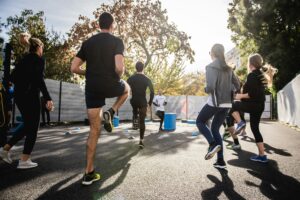
A proper warm-up prepares your muscles, improves blood circulation, and reduces injury risk.
Spend 5–10 minutes doing:
- Jumping Jacks
- Arm Circles
- High Knees
- Bodyweight Squats
- Shoulder Rolls
- Light Jogging
Once your body feels warm, you’re ready to begin your workout.
Best Beginner Dumbbell Workouts
1. Dumbbell Squat
The dumbbell squat strengthens your lower body while improving balance and core stability.
How to Perform
- Hold one dumbbell in each hand.
- Stand with your feet shoulder-width apart.
- Lower your hips until your thighs are almost parallel to the floor.
- Push through your heels to stand back up.
Recommended: 3 sets × 12 repetitions
Muscles Worked
- Quadriceps
- Glutes
- Hamstrings
- Core
2. Dumbbell Bench Press
This is one of the best dumbbell workouts for building chest strength.
Steps
- Lie on a flat bench.
- Hold a dumbbell in each hand.
- Lower the weights slowly until they reach chest level.
- Push them upward until your arms are fully extended.
Recommended: 3 sets × 10 repetitions
Muscles Worked
- Chest
- Shoulders
- Triceps
3. Dumbbell Shoulder Press
This exercise develops stronger shoulders and arms.
How to Perform
- Hold dumbbells at shoulder height.
- Press them overhead.
- Lower slowly back to the starting position.
Recommended: 3 sets × 10–12 repetitions
4. Bent-Over Dumbbell Row
One of the most effective dumbbell workouts for improving posture and back strength.
Steps
- Hold dumbbells in both hands.
- Bend slightly at the hips.
- Keep your back straight.
- Pull the dumbbells toward your waist.
- Lower them with control.
Recommended: 3 sets × 12 repetitions
Muscles Worked
- Upper back
- Lats
- Rear shoulders
- Biceps
5. Dumbbell Bicep Curl
A classic exercise for building stronger arms.
How to Perform
- Stand upright with dumbbells by your sides.
- Curl the weights toward your shoulders.
- Slowly lower them back down.
Recommended: 3 sets × 12 repetitions
Tips for Better Results
To get the most out of your dumbbell workouts, remember these simple tips:
- Focus on proper form rather than lifting heavy weights.
- Increase the weight gradually as you become stronger.
- Rest for 60–90 seconds between sets.
- Stay hydrated before, during, and after your workout.
- Train consistently 3–5 times per week.
- Combine your workouts with a healthy, protein-rich diet.
Complete Weekly Dumbbell Workout Plan
A well-structured workout plan helps you build strength while giving your muscles enough time to recover. Here’s a simple routine that beginners and intermediate lifters can follow.
Monday – Upper Body Dumbbell Workout
Focus on your chest, shoulders, back, and arms.
Workout
- Dumbbell Bench Press – 3 sets × 10 reps
- Dumbbell Shoulder Press – 3 sets × 12 reps
- Bent-Over Dumbbell Row – 3 sets × 12 reps
- Dumbbell Bicep Curl – 3 sets × 12 reps
- Dumbbell Triceps Extension – 3 sets × 12 reps
Finish with light stretching for 5 minutes.
Tuesday – Lower Body Dumbbell Workout
Train your legs and glutes for strength and stability.
Workout
- Dumbbell Squats – 3 × 12 reps
- Dumbbell Walking Lunges – 3 × 10 reps each leg
- Romanian Dumbbell Deadlift – 3 × 12 reps
- Dumbbell Calf Raises – 3 × 20 reps
- Glute Bridge – 3 × 15 reps
Wednesday – Active Recovery
Recovery is just as important as training.
Choose one activity:
- Walking
- Yoga
- Stretching
- Cycling
- Light swimming
Spend at least 30 minutes staying active without overloading your muscles.
Thursday – Full Body Dumbbell Workout
This session targets every major muscle group.
Complete 3 rounds of:
- Dumbbell Squat × 12
- Push-Ups × 12
- Dumbbell Shoulder Press × 10
- Bent-Over Row × 12
- Plank × 45 seconds
Rest for one minute between rounds.
Friday – Arms and Shoulders
Build stronger arms and improve shoulder definition.
Exercises
- Bicep Curl – 3 × 12
- Hammer Curl – 3 × 12
- Shoulder Press – 3 × 10
- Lateral Raise – 3 × 15
- Front Raise – 3 × 12
Finish with shoulder stretches.
Saturday – Dumbbell Cardio Circuit
This workout helps improve endurance while burning calories.
Complete 4 rounds of:
- Dumbbell Squat × 15
- Dumbbell Swing × 15
- Mountain Climbers × 30 seconds
- Jumping Jacks × 40 seconds
- Burpees × 10
Rest for one minute between rounds.
Sunday – Rest Day
Allow your muscles to recover completely.
Getting enough rest helps your body repair muscle fibers and prepare for the next week of training.
Progressive Overload: The Secret to Better Results
One of the biggest reasons people stop seeing progress is that they keep doing the same workout with the same weight.
To continue improving, gradually increase the challenge.
You can do this by:
- Using slightly heavier dumbbells
- Performing more repetitions
- Adding an extra set
- Reducing rest time
- Improving exercise technique
Small improvements every week lead to significant long-term progress.

Nutrition for Dumbbell Workouts
Exercise alone won’t build muscle or improve fitness. A healthy diet plays an equally important role.
Eat Enough Protein
Protein helps repair muscles after every dumbbell workout.
Good protein sources include:
- Eggs
- Chicken breast
- Fish
- Paneer
- Greek yogurt
- Milk
- Tofu
- Lentils
Aim to include protein in every meal.
Healthy Carbohydrates
Carbohydrates provide energy for your workouts.
Choose foods like:
- Brown rice
- Oats
- Whole wheat bread
- Sweet potatoes
- Fruits
- Quinoa
These foods fuel your body without causing energy crashes.
Healthy Fats
Healthy fats support hormone production and recovery.
Include:
- Almonds
- Walnuts
- Olive oil
- Avocados
- Chia seeds
- Flaxseeds
Eat them in moderation as part of a balanced diet.
Stay Hydrated
Water is essential for muscle performance and recovery.
Drink 2–3 liters of water daily, and increase your intake if you’re exercising in hot weather or sweating heavily.
Recovery Tips
Your muscles grow while resting, not while lifting weights.
To recover properly:
- Sleep for 7–9 hours every night.
- Stretch after every workout.
- Take at least one or two rest days each week.
- Eat enough protein.
- Stay hydrated throughout the day.
Recovery is just as important as your workout routine.

Common Dumbbell Workout Mistakes
Avoid these common mistakes to improve results and reduce the risk of injury.
1. Choosing Weights That Are Too Heavy
Using weights that are too heavy can lead to poor form and injuries.
Start with a weight you can control comfortably.
2. Ignoring Proper Form
Always prioritize technique over the amount of weight you lift.
Good form targets the correct muscles and keeps you safe.
3. Skipping Warm-Ups
Cold muscles are more likely to get injured.
Spend 5–10 minutes warming up before every workout.
4. Training Every Day
Muscles need time to recover.
Aim for 3–5 strength sessions per week with rest days in between.
5. Inconsistent Workouts
The best dumbbell workouts are the ones you can stick to consistently.
Regular training will always produce better results than occasional intense sessions.
Tips for Faster Progress
- Increase your weights gradually.
- Keep a workout journal to track progress.
- Focus on quality over quantity.
- Eat balanced meals every day.
- Stay patient and trust the process.
- Make exercise part of your daily routine.
Consistency is the key to long-term success.
Home vs. Gym Dumbbell Workouts
One of the most common questions beginners ask is whether they should train at home or join a gym. The answer depends on your goals, budget, and lifestyle.
Dumbbell Workouts at Home
Home workouts are convenient, affordable, and perfect for people with busy schedules.
Benefits
- Save money on gym memberships
- Exercise anytime
- Comfortable and private environment
- Great for beginners
- Requires only a pair of dumbbells
A small workout space, a yoga mat, and adjustable dumbbells are enough to perform a complete full-body workout at home.
Dumbbell Workouts at the Gym
Gyms provide a wider variety of equipment and heavier weights, making them ideal for long-term strength and muscle growth.
Benefits
- Access to adjustable benches and racks
- Wider range of dumbbell weights
- Professional guidance from trainers
- Motivating environment
- More workout variety
Whether you train at home or in the gym, consistency is far more important than location.
Advanced Tips for Better Dumbbell Workouts
Once you’ve mastered the basics, these tips can help you continue making progress.
1. Increase Weight Gradually
As your muscles become stronger, gradually increase the weight of your dumbbells. This principle is called progressive overload, and it’s essential for building muscle and strength.
2. Control Every Repetition
Avoid rushing through exercises. Lift the weight with control and lower it slowly to keep your muscles under tension for longer, leading to better results.
3. Train All Major Muscle Groups
A balanced workout should include exercises for:
- Chest
- Back
- Shoulders
- Arms
- Legs
- Glutes
- Core
Training your whole body helps improve overall strength and reduces the risk of muscle imbalances.
4. Focus on Compound Exercises
Compound movements work multiple muscles at once and are highly effective.
Examples include:
- Dumbbell Squats
- Dumbbell Lunges
- Dumbbell Bench Press
- Bent-Over Rows
- Romanian Deadlifts
- Shoulder Press
These exercises help burn more calories while building strength.
5. Don’t Forget Core Training
A strong core improves balance, posture, and overall performance.
Include exercises like:
- Plank
- Russian Twists
- Dumbbell Side Bends
- Dead Bug
- Bicycle Crunches
Aim to train your core two or three times a week.
How to Stay Motivated
Motivation can come and go, but building healthy habits will keep you moving forward.
Set Realistic Goals
Instead of aiming for quick results, focus on small milestones.
For example:
- Complete three workouts every week.
- Increase your dumbbell weight after a few weeks.
- Improve your exercise form.
- Perform more repetitions over time.
Track Your Progress
Keep a notebook or use a fitness app to record:
- Exercises completed
- Number of sets and reps
- Dumbbell weights used
- Body measurements
- Progress photos
Seeing your improvement over time is one of the best ways to stay motivated.
Celebrate Small Wins
Every achievement matters.
Celebrate moments like:
- Completing your first month of training
- Lifting heavier weights
- Feeling stronger during daily activities
- Improving your endurance
These small victories help you stay committed.
Safety Tips
Always prioritize safety during your dumbbell workouts.
Warm Up Properly
Spend 5–10 minutes warming up before lifting weights.
Use Correct Form
Proper technique is more important than lifting heavy weights.
Breathe Correctly
- Inhale as you lower the weight.
- Exhale as you lift the weight.
Don’t Rush
Move slowly and with control.
Quality repetitions produce better results than fast, careless movements.
Allow Time for Recovery
Muscles need time to repair and grow stronger.
Take at least one or two rest days every week.
Frequently Asked Questions (FAQs)
Are Dumbbell Workouts Good for Beginners?
Yes. Dumbbell workouts are one of the best ways for beginners to build strength because they are simple, versatile, and easy to learn.
Can I Build Muscle with Only Dumbbells?
Absolutely.
With the right exercises, proper nutrition, and progressive overload, you can build impressive muscle using only dumbbells.
How Many Days a Week Should I Do Dumbbell Workouts?
Most beginners should train 3–4 days per week, while intermediate and advanced lifters can train 4–5 days, depending on their recovery.
Can Dumbbell Workouts Help with Weight Loss?
Yes.
Dumbbell training builds lean muscle, boosts metabolism, and burns calories. Combined with a healthy diet and regular cardio, it can support effective weight loss.
How Long Before I See Results?
Results vary from person to person, but with consistent training and good nutrition, you may notice:
After 2–4 weeks:
- Increased energy
- Better stamina
- Improved exercise technique
After 6–8 weeks:
- More muscle definition
- Increased strength
- Better posture
After 3–6 months:
- Noticeable muscle growth
- Improved body composition
- Greater overall fitness
Healthy Habits to Support Your Dumbbell Workouts
To get the best results, pair your workouts with healthy daily habits:
- Eat enough protein to support muscle recovery.
- Include fruits, vegetables, and whole grains in your meals.
- Drink plenty of water throughout the day.
- Sleep 7–9 hours every night.
- Stretch regularly to improve flexibility.
- Stay active even on rest days with light walking or yoga.
- Manage stress through meditation or relaxing hobbies.
These habits will help you recover faster and perform better during your workouts.
Conclusion
Dumbbell workouts are one of the most effective and convenient ways to build strength, improve fitness, and stay healthy. Whether you train at home or in the gym, a pair of dumbbells can help you work every major muscle group and achieve your fitness goals.
The key to success is consistency. Focus on proper form, increase your weights gradually, eat a balanced diet, and give your body enough time to recover. Remember that progress doesn’t happen overnight, but every workout brings you one step closer to becoming stronger, healthier, and more confident.
No matter where you are on your fitness journey, start with what you have, stay committed, and enjoy the process. With patience and dedication, dumbbell workouts can help you build a stronger body and a healthier lifestyle that lasts for years.
Final Thoughts
Fitness isn’t about being perfect—it’s about showing up consistently. Make dumbbell workouts a regular part of your weekly routine, challenge yourself a little more each week, and celebrate every improvement along the way. Your future self will thank you for the effort you put in today.